


Sciatica Treatment
in St. Clair Shores, MI
Sciatica is the sharp, burning or electric pain that runs from the lower back through the buttock and down the leg. At Advanced Physical Medicine in St. Clair Shores, we find what is pinching the sciatic nerve and treat it without surgery, using nerve testing, ultrasound-guided injections, physical therapy and laser therapy so you can sit, sleep and walk comfortably again.
What Is
Sciatica?
The sciatic nerve is the longest nerve in the body. It starts from nerve roots in the lower spine and runs down the back of each leg. Sciatica (also called lumbar radiculopathy) is pain, tingling, numbness or weakness along that path, usually on one side. It is a symptom rather than a diagnosis: something is pressing on or irritating the nerve, and lasting relief depends on finding out what. It is one of the most common reasons patients see us for back pain.

Common Causes of Sciatica
The most common cause is a herniated or bulging disc in the lower back. Others include spinal stenosis (narrowing of the spinal canal), spondylolisthesis (a slipped vertebra), degenerative disc disease, and piriformis syndrome, where a tight muscle deep in the buttock squeezes the nerve. Long hours sitting, heavy lifting, pregnancy and extra body weight raise the risk.
How We Diagnose
Sciatica
Your first visit includes a 1-hour intake, a hands-on exam of your spine, hips and leg strength, and a review of any imaging. When the source is unclear we order an MRI or perform EMG and nerve conduction studies (NCS) right in our office, without sedation, to see which nerve root is affected and how much. See our diagnostic tests.
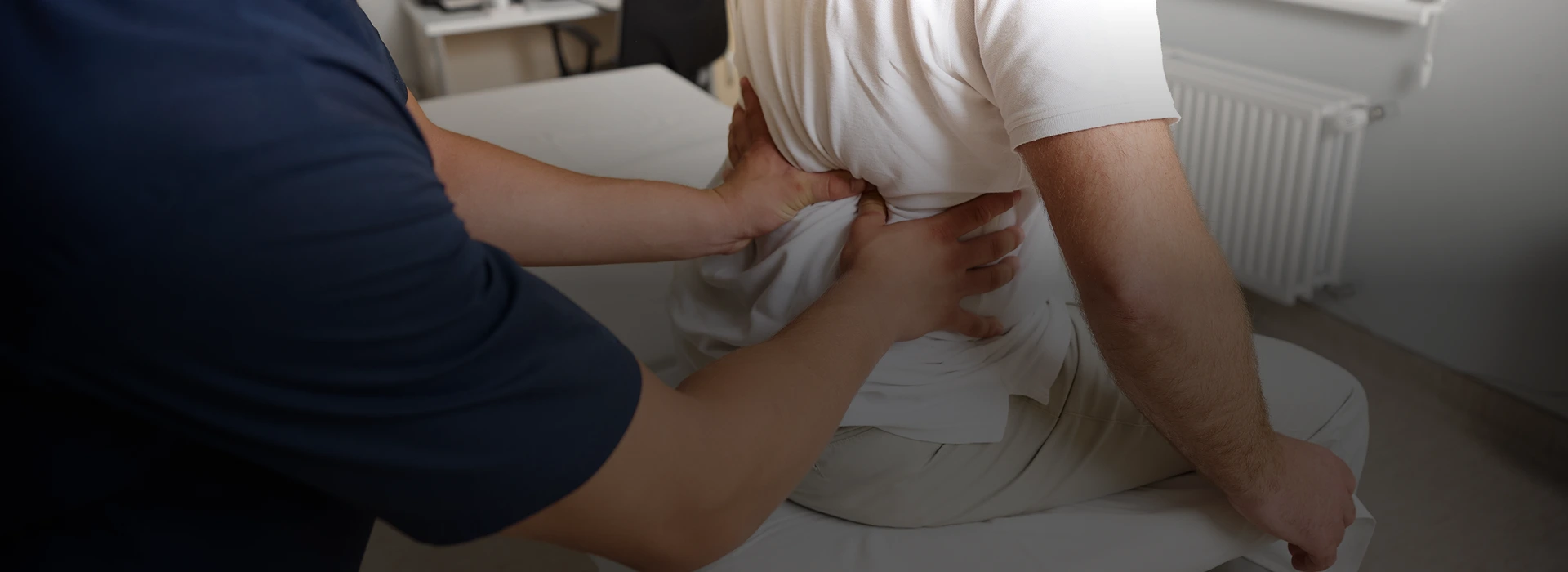
Sciatica Symptoms We Treat
Sciatica can range from a dull ache to pain that makes it hard to stand or sit. We treat both new flare-ups and pain that has lasted for months.
Leg Pain, Burning and Numbness
Pain that shoots from the low back or buttock down the back of the thigh and calf, often with tingling, pins and needles or numbness in the foot.
Weakness and Pain When Sitting
Pain that gets worse when sitting, coughing or bending, and weakness that makes it hard to lift the foot or push off when walking.
Our Sciatica
Treatment Options
Most patients improve without surgery. Depending on the cause, your plan may include physical therapy to take pressure off the nerve, MLS laser therapy to calm inflammation, ultrasound-guided nerve block or epidural steroid injections that reduce swelling around the nerve root, trigger point injections for muscle spasm, and massage therapy. For leg pain that persists despite these, spinal cord stimulation is an option.
What to Expect After Treatment
Injections take only a few minutes and most patients go back to normal activity the next day, with mild soreness at the site at most. Physical therapy usually runs two to three visits a week for several weeks, with a home exercise program to keep the nerve moving freely. We follow up regularly and adjust the plan to how your leg pain responds.
Expected Results and
Long-Term Relief
Many cases of sciatica ease within weeks once the inflammation around the nerve is under control. Injections can bring relief within days, which makes it easier to do the exercises that prevent the next flare. Strengthening the core and hips, improving posture and staying active are what keep sciatica from coming back.

When Sciatica Needs Urgent Care
Go to an emergency room right away if leg pain comes with loss of bladder or bowel control, numbness in the groin or inner thighs, or weakness that is getting worse quickly. These can be signs of serious nerve compression. Injections themselves carry small risks such as soreness, bruising, a temporary rise in blood sugar from a steroid, or rarely infection, and we review them with you first.
When to See a
Sciatica Specialist
See us if leg pain has lasted more than a few weeks, keeps coming back, wakes you at night, or makes it hard to sit through work or a drive. You do not need to wait for it to become unbearable: treating the nerve early often means fewer visits and a faster return to normal activity.

Benefits of Non-Surgical Sciatica Care
Treating the cause of the nerve pressure brings benefits beyond pain relief.
Relief Without Surgery
Most patients recover with injections, therapy and laser treatment, avoiding the risks and downtime of spine surgery.
An Exact Diagnosis
In-office EMG and nerve testing show which nerve is affected, so treatment is aimed at the real source.
Less Reliance on Pain Pills
As inflammation settles and strength returns, many patients cut back on oral pain medication.
Back to Sitting, Sleeping and Walking
Calmer nerves mean longer drives, better sleep and a return to work, exercise and family life.
Treating the Back
Behind the Leg Pain
Sciatica often travels with other spine problems. We also treat spinal stenosis, disc and joint pain in the lower back, and peripheral neuropathy, which can feel similar but comes from different nerves. If worn spinal joints or ligaments are part of the problem, regenerative medicine such as prolotherapy may help the tissue heal.

Cost of Sciatica Treatment
in St. Clair Shores, MI
The cost of sciatica treatment depends on what your plan includes: an evaluation, nerve testing, injections, physical therapy visits or laser sessions. We give you a clear estimate after your first visit, before any treatment begins.
We accept most commercial insurance plans, and our front desk checks your coverage before your visit. To schedule, we need your date of birth, address, primary care doctor, and whether the injury is work- or auto-related.
Get Back on Your Feet Without Surgery
Advanced Physical Medicine has cared for patients in St. Clair Shores and the eastside for more than 25 years. Dr. Stephen Wilson, a double board-certified physician, leads a team focused on non-surgical treatment that restores function, not just short-term relief.
Your first visit includes a thorough 1-hour intake, nerve testing is done in our office, and almost all injections are ultrasound-guided. Call us and a person answers, usually within 3 rings.
Frequently Asked Questions (FAQ)
How long does sciatica last?
Many flare-ups settle within 4 to 6 weeks, but pain that lasts longer or keeps returning usually needs treatment of the underlying cause, such as a disc or a tight piriformis muscle.
Is sciatica a chronic condition?
It can become chronic when the cause is not addressed. Pain lasting more than three months is considered chronic, and it is still very treatable without surgery.
What can I do at home for sciatica?
Stay gently active, take short walks, avoid sitting for long periods and use ice or heat for comfort. If pain spreads, worsens or comes with weakness, schedule an evaluation.
Will I need surgery for sciatica?
Most patients do not. Surgery is usually reserved for severe or worsening nerve damage. Injections, therapy and other non-surgical care help the large majority of people.
Book Your
Appointment Today!
Leg pain from a pinched nerve does not have to run your day. Schedule a consultation at our St. Clair Shores office and get a clear diagnosis and a plan.