


Platelet-rich plasma (PRP) injections use your own blood to help a painful knee heal. At Advanced Physical Medicine in St. Clair Shores, we use ultrasound-guided PRP for knee arthritis, meniscus wear and tendon injuries, so you can walk, climb stairs and stay active with less pain and without surgery.
PRP is a regenerative medicine treatment. We draw a small sample of your blood, spin it in a centrifuge to concentrate the platelets and growth factors, and inject that concentrate into the knee. Platelets carry the signals that start tissue repair, so delivering a concentrated dose to the joint can calm inflammation and help damaged cartilage, tendons and ligaments heal. Because PRP comes from your own body, it is 100% natural.

The knee carries several times your body weight with every step. Over time the cartilage that cushions the joint wears thin (osteoarthritis), the meniscus can fray, and the patellar and quadriceps tendons can become irritated from overuse. Cartilage has almost no blood supply, so it heals poorly on its own. Learn more about the knee pain we treat.
Growth factors released by the concentrated platelets reduce inflammation inside the joint, draw repair cells to the area and support healthier joint fluid. Patients typically notice less pain and stiffness and better function. PRP stimulates a stronger healing response than prolotherapy, which is why it usually takes fewer treatments.

PRP is most helpful for mild to moderate knee damage, when there is still healthy tissue to support.
Early to moderate arthritis that causes aching, stiffness after sitting and pain on stairs, especially when cortisone shots no longer last.
Degenerative meniscus tears, patellar tendinitis (jumper’s knee) and ligament sprains that are slow to heal.
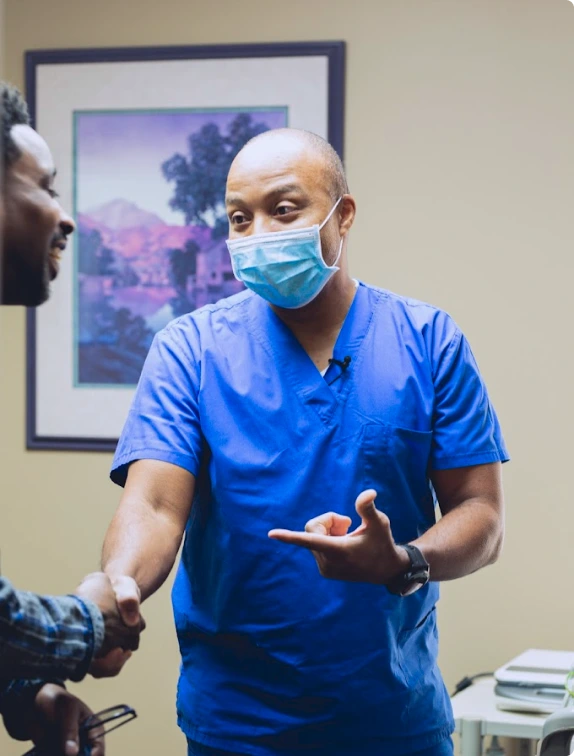
The whole visit takes about an hour in our St. Clair Shores office. We draw a small amount of blood from your arm and process it in a centrifuge to isolate the platelet-rich plasma. The knee is cleaned and numbed, and the PRP is injected under ultrasound guidance. You may feel pressure or fullness in the knee during the injection. Because the sample comes from you, there is no risk of a transmissible infection or allergic reaction to the PRP itself.
Most patients return to normal daily activity within a day. Expect soreness, swelling or a full feeling in the knee for the first 24 to 48 hours. Use ice as needed, avoid anti-inflammatory medicines such as ibuprofen because they can interfere with healing, and hold off on running or heavy leg workouts until your provider clears you.
PRP works gradually. Most patients notice improvement within 4 to 6 weeks, with gains continuing for several months. The average number of PRP treatments is only 1 to 2; if a repeat is needed, it is spaced at least 6 to 8 weeks apart. Combining PRP with physical therapy to strengthen the thigh and hip muscles helps the knee hold its gains.

Since PRP is made from your own blood, the risk of a reaction is very low. Temporary soreness, swelling and bruising are the most common side effects. Infection and nerve irritation are rare and are minimized by sterile technique and ultrasound guidance. PRP may not be right if you have a blood or platelet disorder, an active infection or certain cancers; we review your history first.
PRP is a good fit if you have knee pain from mild to moderate arthritis, meniscus wear or a tendon injury, you want to delay or avoid knee replacement, or cortisone shots no longer help. Severe bone-on-bone arthritis responds less well. Dr. Wilson will examine your knee, review X-rays or an MRI and explain whether PRP, prolotherapy or knee gel injections suit you best.

Patients choose PRP because it supports healing instead of only masking pain.
Nothing synthetic is injected, so the risk of allergic reaction is minimal.
Most patients need only 1 to 2 injections, making PRP more time-efficient than prolotherapy.
No incision, no hospital stay and no long rehab; you walk out of the office the same day.
By easing pain and improving function, PRP helps many patients stay active and put off knee replacement.
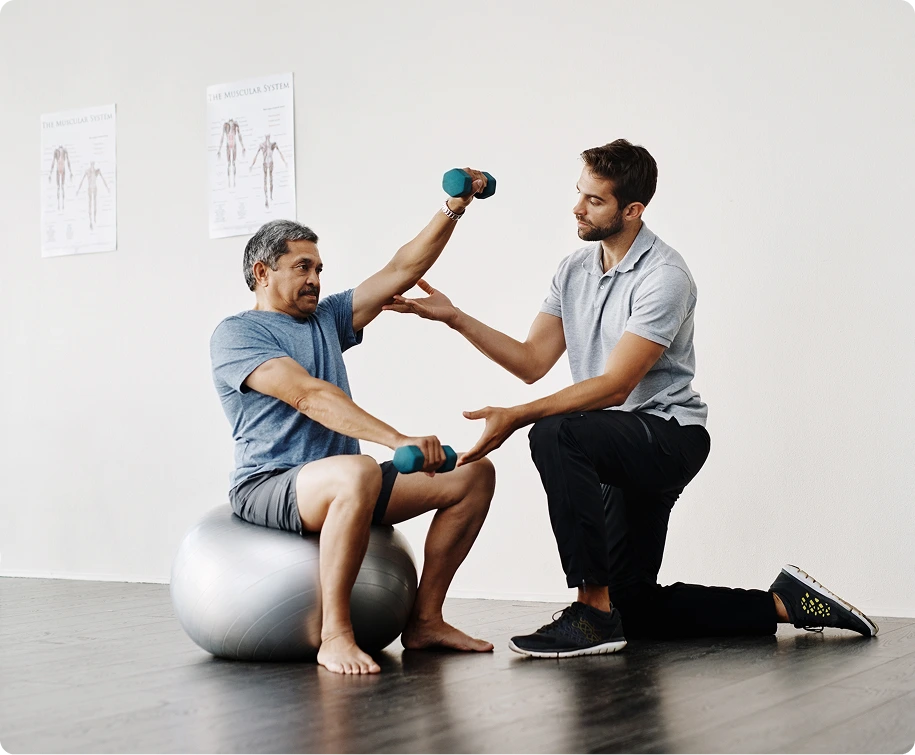
PRP is one of several non-surgical knee treatments we offer. Others include knee gel (joint fluid) injections that cushion the joint, prolotherapy for loose ligaments, physical therapy to build strength around the knee, and MLS laser therapy to reduce pain and swelling.
Regenerative treatments at our office range from $500 to $3,500 per treatment, depending on the therapy, the area treated and the number of sessions. Since most knees need only 1 to 2 PRP injections, your total cost is often lower than a longer series. You receive an exact price at your consultation.
We accept most commercial insurance plans. Regenerative injections are often treated as elective by insurers, so coverage can be limited; our front desk checks your plan before your visit. To schedule, we need your date of birth, address, primary care doctor, and whether the injury is work- or auto-related.
Advanced Physical Medicine has helped patients in St. Clair Shores and across the eastside for more than 25 years. Our team is led by Dr. Stephen Wilson, a double board-certified physician focused on non-surgical care that restores function.
Every new patient gets a thorough 1-hour intake, PRP is prepared in our office, and almost all injections are ultrasound-guided. Call us and a person answers, usually within 3 rings.
You will feel a quick pinch from the blood draw and pressure in the knee during the injection. The skin is numbed first, and soreness afterward usually fades within two days.
Most patients need 1 to 2 treatments. If another is needed, it is given at least 6 to 8 weeks after the first so the healing response has time to work.
Most patients can drive themselves home. If your right knee is treated and feels sore or full, you may prefer to bring someone to drive.
Many insurers consider PRP elective, so it is often not covered. We accept most commercial plans for your evaluation and will tell you the out-of-pocket cost before treatment.
If knee pain is keeping you off the stairs, the golf course or the walking trail, find out whether PRP can help. Schedule a consultation at our St. Clair Shores office.