


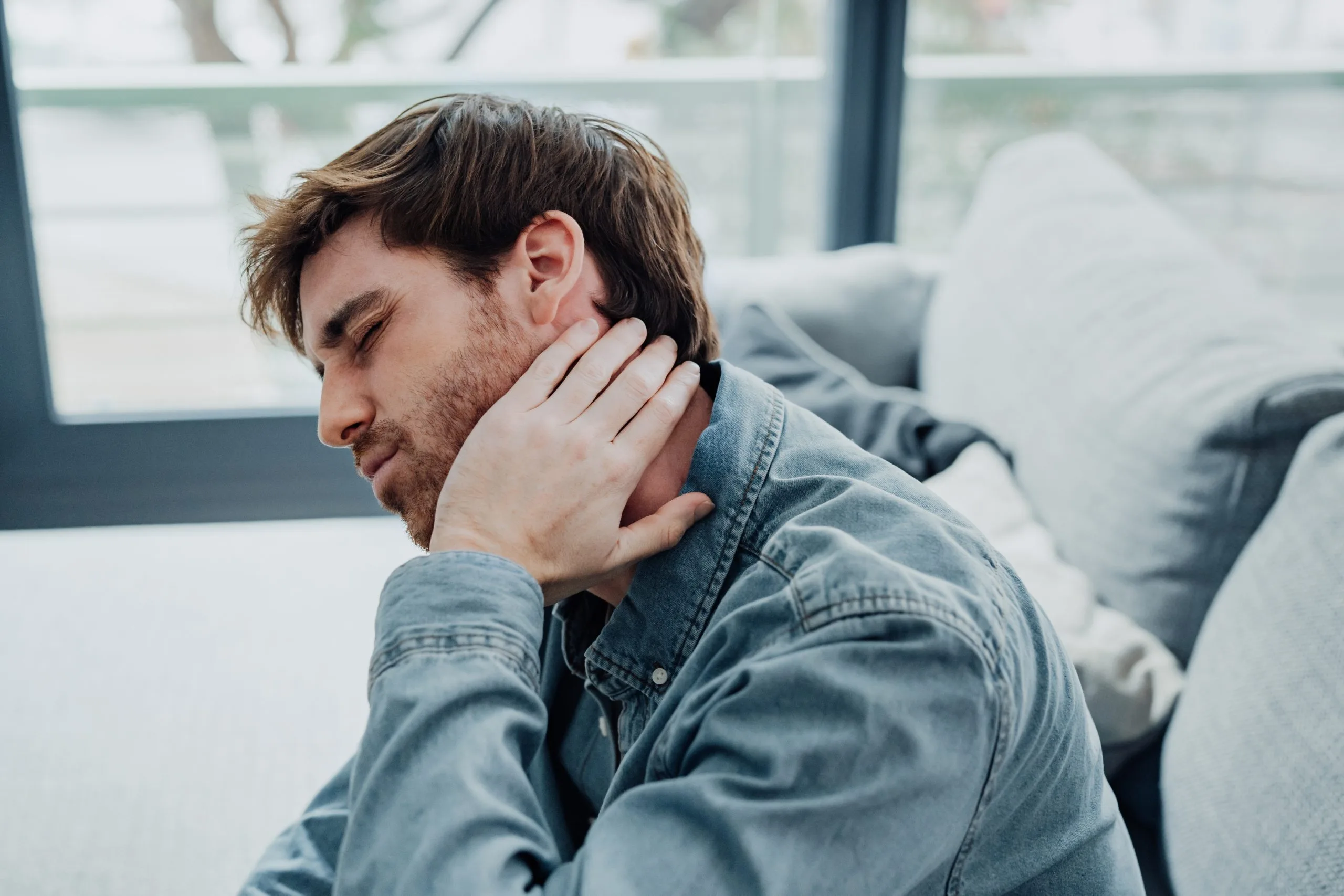
Learning how to manage fibromyalgia pain without medication means combining gentle daily movement, consistent sleep, an anti-inflammatory diet, stress-calming habits, and hands-on therapies like physical therapy, massage, MLS laser therapy, and acupuncture. No single change fixes fibromyalgia, but stacking several small, consistent strategies can lead to fewer flare-ups, better sleep, and more energy.
At Advanced Physical Medicine in St. Clair Shores, MI, the focus is on treating the root cause of pain rather than masking symptoms – a philosophy that fits fibromyalgia especially well, and one built around personalized plans that put you in the driver’s seat.
Fibromyalgia is a long-term condition causing widespread musculoskeletal pain, tenderness, and fatigue. It is not a joint disease or a muscle injury – instead, the central nervous system becomes overly sensitive and amplifies pain signals. A light touch can feel painful. Normal fatigue can feel crushing.
It often coexists with tension headaches, irritable bowel syndrome (IBS), anxiety, and depression, which is why a holistic approach matters. Because there is no single blood test for it, fibromyalgia is often diagnosed after other causes are ruled out.
Medication can play a role, but it rarely resolves fibromyalgia on its own. Some prescriptions bring unwanted side effects, and others lose effectiveness over time. Non-drug strategies work differently – calming an overactive nervous system, restoring normal movement patterns, releasing tight fascia and trigger points, and improving sleep quality.
This is the multidisciplinary, non-surgical approach used for fibromyalgia care at Advanced Physical Medicine.
Movement is one of the most evidence-supported tools available, but intensity matters – hard workouts often trigger flares. Aim for low-impact activity most days:
Walking 10–20 minutes
Warm-water pool exercise or swimming
Stationary cycling at an easy pace
Gentle yoga or tai chi
Light stretching in the morning and evening
Start smaller than you think you should. If you can do the same amount tomorrow without paying for it, that is your correct starting dose. Increase by about 10% per week.
Food will not cure fibromyalgia, but it can influence inflammation, energy, and muscle function. Magnesium supports muscle relaxation and sleep quality, and may reduce muscle tenderness – yet many adults fall short.
Magnesium-rich foods: pumpkin seeds, almonds, nuts, spinach and leafy greens, black beans, avocado, dark chocolate
Anti-inflammatory staples: fatty fish, lean proteins, olive oil and healthy fats, berries and fruit, vegetables, whole grains, turmeric, ginger
Reduce: added sugar, heavily processed foods, excess alcohol, late-day caffeine
Drink water consistently through the day, since dehydration intensifies muscle aching and fatigue.
Poor sleep raises pain sensitivity, and pain disrupts sleep. Breaking that loop is one of the highest-value changes you can make.
Go to bed and wake up at the same times, weekends included
Keep the bedroom cool, dark, and quiet
Stop screens – phones, TVs, computers – 60 minutes before bed
Avoid caffeine after noon, and limit alcohol in the evening
Use a warm shower or light stretching as a wind-down cue
Save the bed for sleep only
Stress hormones directly amplify pain signaling. Calming the nervous system is a legitimate pain treatment, not a luxury.
Five to ten minutes daily is enough to start. Try slow diaphragmatic breathing – four counts in, six counts out – or a body-scan meditation where you move attention through each region without judgment. Guided audio recordings make this easier for beginners.
Writing for five to ten minutes helps process the frustration of an invisible condition. It also creates a record you can bring to appointments. Note pain levels, sleep hours, activities, mood, and food – patterns emerge faster on paper than in memory.
Warm water relaxes muscles, improves circulation, and eases morning stiffness. Add two cups of Epsom salt (magnesium sulfate) to a warm – not hot – bath and soak for 15–20 minutes, ideally in the evening to support sleep.
Heat: for widespread aching, stiffness, and tight muscles; use a heating pad or warm compress for 15–20 minutes to boost blood flow
Cold: better for sharp, localized flare-ups, headaches, and inflamed areas
Many people alternate the two – always place a cloth barrier between your skin and the pack
Caffeine-free teas make a helpful evening ritual. Chamomile, lavender, and passionflower support relaxation, peppermint can ease tension headaches, and ginger or turmeric tea may help with general aching. Check with your provider first if you take blood thinners or other prescriptions.
Lavender, peppermint, and eucalyptus oils are commonly used for pain, tension, and stress. Dilute them in a carrier oil before applying to skin, add a few drops to a warm bath, or use a diffuser during your wind-down routine. Aromatherapy pairs well with self-massage over tight areas of the neck and shoulders.
Lifestyle changes are the foundation, but professional therapies provide targeted relief.
A structured physical therapy program teaches your body to move without provoking flares. Sessions typically address posture, core stability, flexibility, range of motion, stamina, and gradual conditioning. Occupational strategies focus on pacing, body mechanics, and modifying daily tasks so household and desk work cost you less.
Massage therapy relieves deep muscle pain, reduces tender point sensitivity, improves circulation, and helps release myofascial trigger points. Pressure should be moderate and communicated clearly – deep, aggressive work can backfire with sensitized nerves.
Acupuncture is part of the holistic pain relief offered at Advanced Physical Medicine, alongside intramuscular stimulation (IMS) for stubborn muscle tightness. Thin needles placed at specific points stimulate nerves, muscles, and connective tissue, helping regulate pain signaling and boost the body’s natural painkillers. Acupressure – firm fingertip pressure on the same points – is something you can practice at home between visits.
Balneotherapy uses mineral-rich warm water bathing and water jets to reduce pain and stiffness. Warm-water pools also allow movement with less joint loading, making them a practical bridge for people who find land exercise too painful at first.
A TENS unit is a small, battery-operated device that sends mild electrical pulses through skin electrodes to interrupt pain signals and may encourage endorphin release. It is drug-free, portable, and useful for targeted areas like the low back or neck. Ask about proper placement and settings before starting.
Non-invasive MLS laser therapy is another medication-free option that uses light energy to reduce inflammation and support tissue recovery.
CBT is one of the strongest non-drug treatments for fibromyalgia. It does not suggest the pain is imaginary. It teaches practical skills – reframing catastrophic thoughts, pacing activity, problem-solving flare days, and rebuilding confidence in your body.
Living with unpredictable pain is isolating, and loved ones often do not understand it. Counseling, support groups, and honest conversations with people who share the diagnosis reduce that isolation and improve follow-through on self-care.
Keep a simple daily log: pain score out of ten, sleep hours, activity, stress level, weather, and food. After three to four weeks, review it. Most people discover two or three reliable triggers they can then manage directly.
Pick one change at a time. “Walk 10 minutes after lunch, five days this week” beats “get in shape.” Use pacing – plan rest before you need it, split big tasks across days, and be kind to yourself on difficult days.
Call a professional if pain is worsening, if new symptoms appear such as numbness or weakness, if fatigue is disabling, or if self-care has plateaued. A thorough one-hour intake evaluation can identify overlapping issues – myofascial pain, neck or back involvement, or nerve irritation – that need targeted, non-surgical treatment.
To schedule an evaluation at our St. Clair Shores office, call 586-563-3300. Have ready your date of birth, address, the location of your pain, your primary care physician’s name, and whether the injury is work- or auto-related. Appointments are confirmed after review by the team.
Review the new patient information page: https://advancedphysicalmedicinepc.com/new-patient-info/
Managing fibromyalgia without medication is about building sustainable habits and choosing therapies that work together to calm the nervous system, reduce pain, and improve your quality of life. If you’re ready for a personalized, non-surgical approach, our team at Advanced Physical Medicine in St. Clair Shores can help you create a treatment plan tailored to your symptoms, goals, and lifestyle.

Real Relief for Real Conditions