


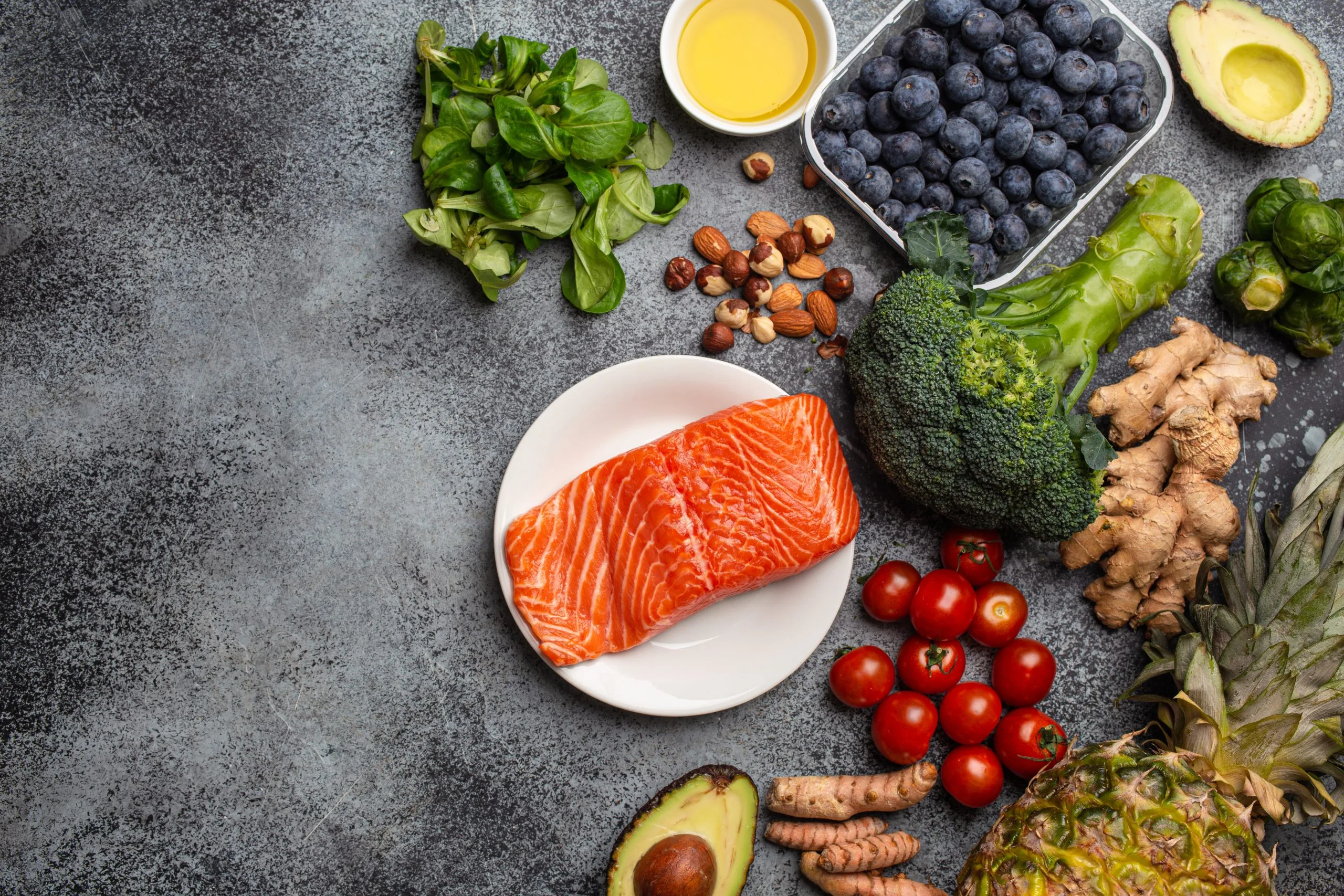
Living with chronic pain can feel like a constant battle, impacting work, hobbies, and daily life. An anti-inflammatory diet for pain management uses plants, healthy fats, and whole foods to calm swelling, quiet pain signals, and give the immune system less reason to stay on high alert – especially for arthritis, fibromyalgia, neck pain, and back pain.
At Advanced Physical Medicine in St. Clair Shores, food choices are combined with non-surgical, multidisciplinary care that treats the whole person, addresses the root cause of pain, and focuses on restoring function.
Inflammation is your body’s alarm and defense system. When you get a cut, twist an ankle, or catch a cold or infection, immune cells rush in, blood flow rises, and the area may feel hot, red, stiff, swollen, or sore.
Acute inflammation is short-term, localized, and essential for healing.
Chronic inflammation is a low-grade, system-wide fire that never fully turns off and can smolder for months or years.
You may not see redness, yet morning stiffness, aching after rest, or pain that spreads can signal this ongoing response.
Instead of protecting you, it can damage healthy cells, tissues, organs, joints, muscles, and nerves, leading to persistent pain and disease.
Chronic inflammation is a contributing factor in a wide range of issues we see.
Arthritis: Both rheumatoid arthritis (an autoimmune disease) and osteoarthritis (wear-and-tear) involve inflammatory processes that break down cartilage, causing joint swelling, stiffness, and pain.
Fibromyalgia: Widespread inflammation is believed to contribute to heightened pain sensitivity.
Peripheral neuropathy: Inflammation can damage peripheral nerves, leading to tingling, numbness, and burning pain, particularly in the hands and feet.
Chronic back and neck pain: Persistent inflammation in the muscles, ligaments, and discs of the spine can lead to stiffness, discomfort, and muscle spasm.
Headaches and migraines: Neurogenic inflammation (inflammation involving nerve cells) is a key component in migraine attacks.
Yes. The foods you eat every day can either promote inflammation or help cool it, which can mean less pain, improved mobility, and a better quality of life.
Processed foods, sugar-heavy meals, fried foods, unhealthy fats, and ultra-processed snacks tend to fuel the inflammatory fire.
Vegetables, fish, nuts, fiber-rich foods, and other whole, nutrient-dense foods give your body tools to calm the flames.
Diet works as one tool in a larger plan that may include physical therapy, massage therapy, and MLS Laser Therapy.
Food supports those services by giving your body better raw materials for repair.
Your gut is home to trillions of bacteria and about 70% of your immune system. The food you consume feeds these microbes, influences the gut lining, and is “read” by immune cells.
An unhealthy diet can disrupt this balance and contribute to a “leaky gut,” where toxins and undigested food particles pass into the bloodstream, triggering a system-wide immune response.
Highly processed foods can raise inflammatory messengers in the blood.
Fiber from plants feeds helpful gut bacteria, which then send calmer signals through the body.
Healthy fats, especially omega-3s, help build compounds that turn inflammation down after it has done its job.
You will not feel a change after one salad; over weeks, consistent choices can mean less morning stiffness, fewer flare days, and more energy for movement.
An anti-inflammatory diet helps heal the gut, supports a balanced microbiome, and reduces the overall inflammatory load.
An anti-inflammatory diet is not a restrictive short-term cleanse. It is a sustainable pattern of eating that emphasizes whole, natural foods, reduces immune overactivity, and minimizes foods known to cause inflammation – without expensive specialty products. The core philosophy is simple: eat more real food and fewer processed “food-like products.”
Do eat more:
Leafy greens (spinach, kale, collards, romaine)
Berries (blueberries, strawberries, raspberries)
Cruciferous and colorful vegetables (broccoli, cauliflower, peppers, carrots, tomatoes)
Fatty fish (salmon, mackerel, sardines, trout)
Nuts and seeds (walnuts, almonds, chia, flax)
Olive oil, including extra-virgin olive oil
Fruit, beans, lentils, chickpeas, herbs, and spices
Protein from fish, poultry, beans, or eggs
Don’t eat (or limit):
Sugar, high-fructose corn syrup, and sweetened beverages
Refined carbohydrates (white bread, pasta, many crackers)
Trans fats (margarine, fried foods, baked goods)
Processed meats (hot dogs, sausage, many deli slices)
Vegetable oils high in omega-6 (soy, corn, sunflower) and seed oils used for deep frying
Excessive alcohol
“Low-fat” packaged foods that hide extra sugar
Start with small, manageable changes. Slow changes stick; do not overhaul your pantry overnight.
Add one thing: Put spinach in eggs, walnuts on a salad, or steamed broccoli with dinner.
Make a simple swap: Trade sugary cereal for oatmeal with berries; swap soda for water or sparkling water with lemon; replace a processed snack with fruit and a handful of nuts.
Focus on color: Eat the rainbow so different phytonutrients and antioxidants show up on the plate.
If you have kidney disease, diabetes, food allergies, or take blood thinners, talk with your clinician before big diet shifts.
Bring a simple food log to your next visit so your care plan can match what you actually eat.
Building meals around these ingredients is the key to a successful anti-inflammatory diet for pain management.
Leafy greens: Spinach, kale, collards, and romaine are rich in vitamins and antioxidants that protect cells from damage.
Berries and fruit: Blueberries, raspberries, strawberries, cherries, oranges, and apples; berries contain anthocyanins with potent anti-inflammatory effects.
Colorful vegetables: Broccoli, peppers, carrots, and tomatoes; tomatoes supply lycopene.
Beans, lentils, and chickpeas
Nuts and seeds: Walnuts, almonds, chia, and flax
Extra-virgin olive oil
Fatty fish: Salmon, sardines, trout
Plain yogurt or other unsweetened fermented foods, if you tolerate dairy
Turmeric: Contains curcumin; pair it with black pepper to enhance absorption.
Ginger: Known for reducing inflammation and easing nausea.
These foods supply fiber, healthy fats, and plant compounds that help quiet inflammatory pathways.
Omega-3s are polyunsaturated fats your body uses to produce anti-inflammatory compounds that help resolve swelling. They are especially useful for joint pain, stiffness, or post-activity swelling.
Fish sources: salmon, mackerel, anchovies, sardines, and trout
Plant sources: walnuts, flaxseeds, and chia seeds
Practical target for many adults: two fish meals a week
If you do not eat fish, mix ground flax or chia into oatmeal or yogurt
EPA and DHA in fatty fish such as salmon can make a significant difference in joint pain and stiffness
Polyphenols are plant compounds that act as antioxidants and help protect tissues from oxidative stress, which often rises along with inflammation.
Found in berries, dark chocolate, cocoa, tea (especially green tea), olive oil, many herbs, and red wine (in moderation)
Vitamin C helps protect the body from inflammatory damage and supports collagen, the protein that holds joints, tendons, and skin together
Easy vitamin C sources: citrus fruits, kiwi, strawberries, bell peppers, and broccoli
A piece of fruit with breakfast and a pepper-rich salad at lunch covers a lot of ground
To support your immune system, you need to support your gut. A calmer gut often means fewer inflammatory signals traveling to joints and nerves.
Probiotic-rich foods: Yogurt with live active cultures, unsweetened yogurt, kefir, sauerkraut, and kimchi introduce beneficial bacteria.
Prebiotic foods: Garlic, onions, bananas, oats, vegetables, beans, and fruit provide fiber that feeds good bacteria.
If high-fiber foods cause bloating at first, add them slowly and drink more water.
Just as important as what you add is what you remove. The goal is fewer inflammatory foods, not a lifetime of guilt after one slice of cake.
Sugar and refined carbs: Rapid blood-sugar spikes trigger inflammatory messengers called cytokines; watch for hidden sugars in sauces, dressings, and drinks.
Sugary drinks, desserts, soda, and packaged sweets
Trans fats: Fried foods, baked goods, and margarine are highly inflammatory and detrimental to heart health.
Processed and red meats: High in saturated fat and advanced glycation end products (AGEs); includes hot dogs, sausage, and many deli slices.
Omega-6-rich oils: Modern diets are overloaded with corn, soy, and sunflower oils, creating an inflammatory imbalance.
Refined grains as the main starch at every meal (white bread, many crackers)
Deep-fried foods and packaged snacks: high in both sugar and refined starch
Excess alcohol
This is the most-studied anti-inflammatory eating pattern. It is not just a diet but a lifestyle linked to lower rates of chronic disease, increased longevity, lower markers of inflammation, easier movement, and better energy.
Emphasizes fruits, vegetables, whole grains, legumes, beans, nuts, and olive oil
Fish is the primary animal protein; modest dairy; red meat and sweets are limited or consumed sparingly
You do not need special imported foods: shop the produce aisle, choose olive oil, and put fish on the menu a couple of times a week
An anti-inflammatory diet for pain management is a daily practice: more plants, better fats, fewer ultra-processed foods, and cooking methods that are kinder to your body. By focusing on whole, nutrient-dense foods, you can create an internal environment that promotes healing and lessens pain sensitivity.
This approach is a vital part of the multidisciplinary, non-surgical philosophy at Advanced Physical Medicine. For over 25 years, our goal has been to treat the root cause of pain, restore function, and enhance quality of life.
If stiffness, arthritis, fibromyalgia, or spine pain is limiting your day, bring your questions – and a simple food log – to Advanced Physical Medicine in St. Clair Shores and build the next step around lasting relief.

Real Relief for Real Conditions